

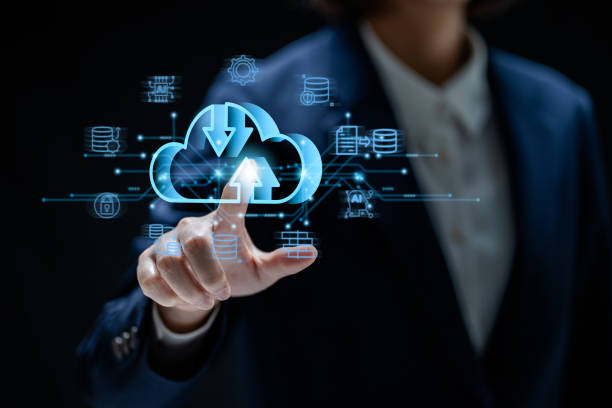
The future of cloud computing
The Future of Cloud Computing: Shaping the Digital Landscape
Cloud computing has already transformed the way businesses operate, but the journey is far from over. As technology continues to evolve, the future of cloud computing promises to bring even more innovation, efficiency, and capabilities to industries around the globe. Let’s explore some of the key trends and developments that will define the future of cloud computing.
1. Hybrid and Multi-Cloud Environments
As businesses continue to adopt cloud solutions, many are realizing that a one-size-fits-all approach isn’t always the best. The future will see an increasing shift toward hybrid and multi-cloud environments, where companies use a mix of private and public clouds from multiple providers to meet their needs.
- Hybrid Cloud offers flexibility by allowing businesses to integrate their on-premise infrastructure with public cloud services.
- Multi-Cloud environments involve using several cloud services from different providers to prevent reliance on a single provider and to optimize for specific needs (e.g., cost, performance, security).
This shift will allow businesses to choose the best platform for their workloads and maintain greater control and flexibility over their IT infrastructure.
2. Artificial Intelligence and Cloud Integration
Artificial Intelligence (AI) and cloud computing are a match made in heaven. Cloud platforms are becoming more AI-enabled, offering advanced analytics, automation, and machine learning capabilities. As AI continues to advance, cloud computing will provide businesses with the tools to:
- Enhance data analysis and insights in real-time
- Improve decision-making processes with predictive analytics
- Enable automation for various business processes, reducing human intervention
The future of cloud computing will be tightly intertwined with AI, driving smarter solutions and better business outcomes.
3. Edge Computing and the Rise of the Internet of Things (IoT)
With the proliferation of IoT devices, edge computing is gaining traction as a critical component of the cloud landscape. Edge computing involves processing data closer to the source of data generation—whether it’s a smart sensor, IoT device, or a mobile phone—rather than sending all the data to a centralized cloud server.
This approach offers several benefits:
- Reduced latency by processing data locally
- Improved security by keeping sensitive data closer to the source
- Enhanced efficiency with real-time data analysis
As IoT devices continue to grow, edge computing will become an essential extension of cloud computing, enabling real-time decision-making and faster data processing.
4. Cloud Security Advancements
With the increasing reliance on the cloud, security remains a top concern for businesses. The future of cloud computing will see enhanced security features and better data protection mechanisms to safeguard against cyber threats. This includes:
- Advanced encryption techniques to protect data both in transit and at rest
- AI-driven security tools that detect and mitigate potential risks in real-time
- Stronger authentication protocols to ensure secure access to cloud services
Cloud providers will continue to prioritize security, offering robust measures to protect businesses and their sensitive information.
5. Serverless Computing
The concept of serverless computing allows developers to build and run applications without having to manage server infrastructure. Instead of worrying about provisioning and maintaining servers, businesses can focus purely on their applications, and the cloud provider takes care of the rest.
This model offers significant benefits:
- Cost efficiency: Pay only for the resources you use
- Scalability: Automatically scale based on demand without manual intervention
- Faster development: Focus on code and business logic instead of infrastructure management
As serverless computing continues to grow, it will streamline application development and allow businesses to innovate faster and more efficiently.
6. Sustainability and Green Cloud Computing
As the world becomes more focused on sustainability, green cloud computing is on the rise. Cloud providers are increasingly adopting energy-efficient technologies and renewable energy sources to reduce the carbon footprint of their data centers. This shift will not only contribute to the fight against climate change but will also lead to more cost-effective and sustainable cloud solutions.
The future of cloud computing will prioritize environmental responsibility, providing businesses with the opportunity to go green while scaling their operations.
Final Thoughts
The future of cloud computing is an exciting one, filled with opportunities for businesses to innovate, scale, and thrive in an increasingly digital world. From AI integration and edge computing to serverless models and enhanced security, cloud computing will continue to evolve, providing businesses with the tools they need to stay ahead of the curve.
At i4 Global Services, we’re committed to helping you navigate this ever-changing landscape by providing the skills and knowledge needed to leverage the full potential of cloud computing. Stay ahead of the competition and embrace the future of cloud technology with us.